.avif)
.avif)




July 26, 2026
How Molar Implants Restore Your Chewing Power
Implant Dentistry

.svg)


July 26, 2026
Implant Dentistry
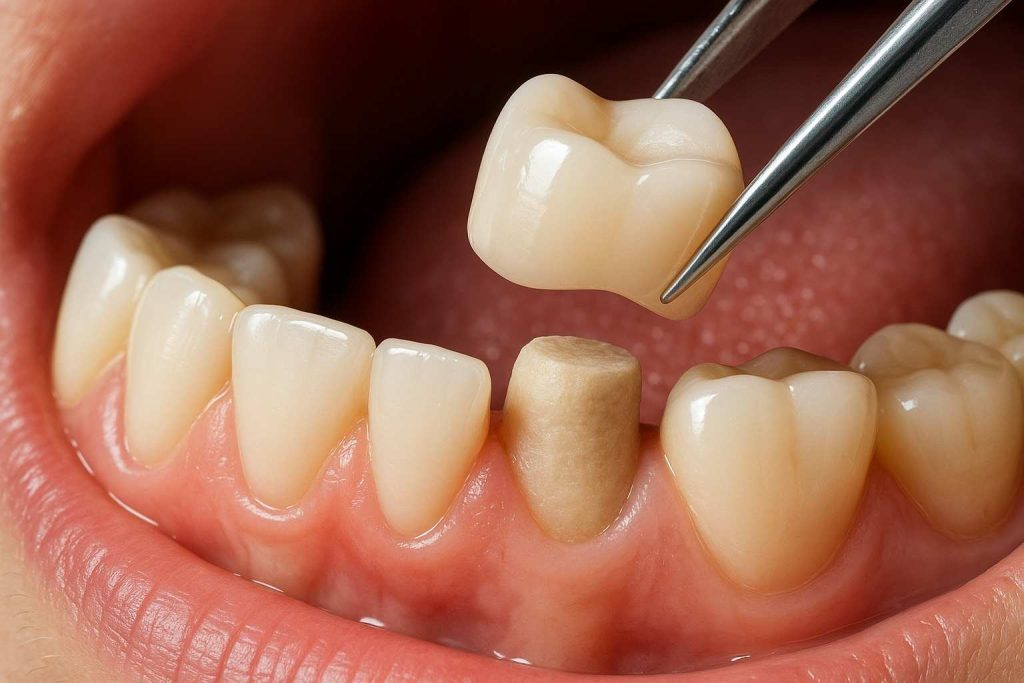
Losing a molar is about much more than leaving a gap in your smile. Since your back teeth generate most of the force needed to grind food, even one missing molar can make every meal less comfortable, limit the foods you enjoy, and gradually affect your overall oral health. Over time, the extra stress placed on neighboring teeth and the underlying jawbone can lead to even bigger dental problems.
The good news is that modern dental implants are designed to do more than replace a missing tooth. They restore the strength, stability, and function of your natural bite, allowing you to chew with confidence again. In this article, you'll discover how molar implants rebuild chewing power, why they feel so much like natural teeth, and how they can help you enjoy your favorite foods while protecting your long-term oral health.
Your molars are the strongest teeth in your mouth, designed specifically to grind and crush food before swallowing. Positioned at the back of the jaw, they generate the majority of your chewing force and help distribute pressure evenly across your bite. In fact, research has shown that the posterior teeth account for approximately 80% to 90% of the total chewing load, making them essential for efficient digestion and long-term oral health.
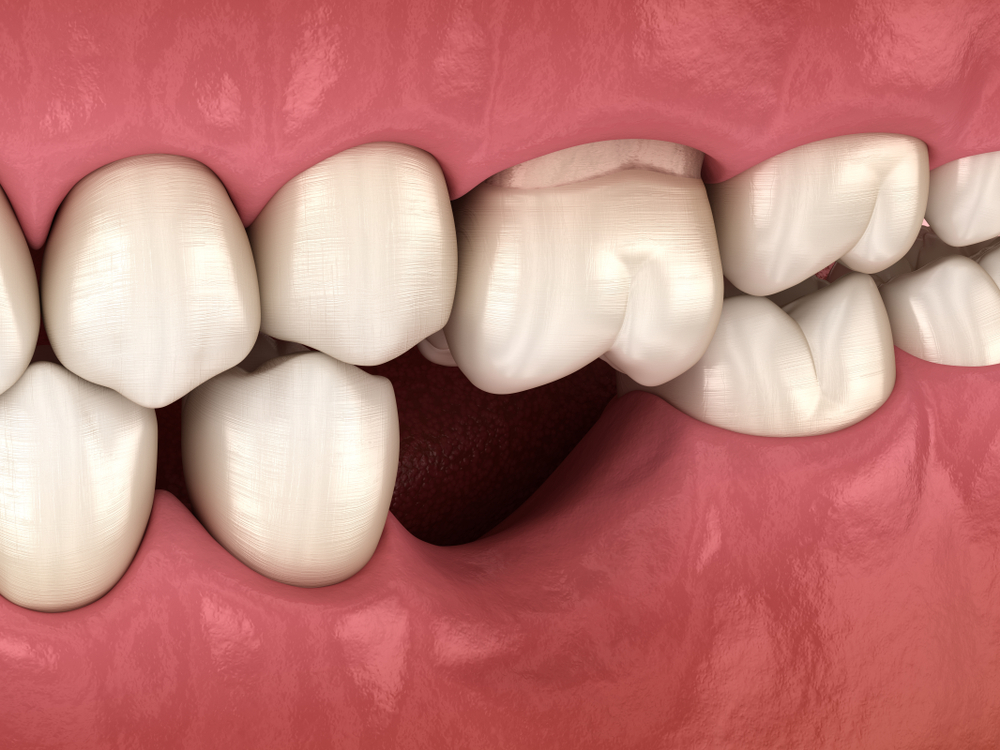
When even one molar is missing, your bite immediately becomes less balanced. Instead of chewing evenly on both sides, you may unconsciously favor one side of your mouth. While this may seem like a minor adjustment, it places excessive pressure on the remaining teeth, jaw muscles, and temporomandibular joints (TMJ). Over time, these changes can contribute to uneven tooth wear, jaw discomfort, and bite misalignment.
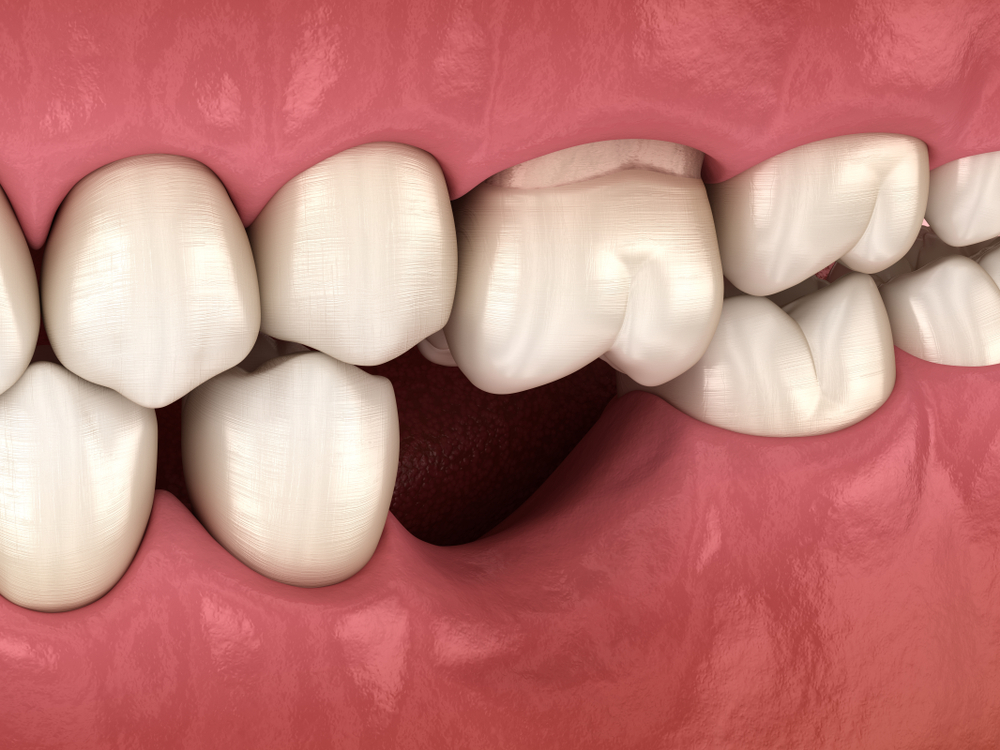
Missing molars also reduce your ability to comfortably eat many nutritious foods. Tough meats, crunchy vegetables, nuts, and fresh fruits often become difficult to chew, leading many people to choose softer, more processed foods instead. This dietary shift may negatively affect overall nutrition while making everyday meals less enjoyable.
Beyond chewing difficulties, tooth loss also triggers changes beneath the surface. After a tooth is lost, the surrounding jawbone no longer receives the stimulation normally provided by the tooth root. According to the American Academy of Implant Dentistry, the jawbone can lose up to 25% of its width during the first year following tooth loss, with bone loss continuing over time if the tooth is not replaced. As the bone shrinks, neighboring teeth may begin shifting into the empty space, increasing the risk of further dental complications.
Replacing a missing molar promptly is not simply about restoring appearance. It helps preserve healthy bones, maintain proper bite alignment, and protect the long-term function of your entire smile.
Unlike traditional bridges or removable dentures, dental implants replace both the visible crown and the missing tooth root. A titanium implant post is carefully placed into the jawbone, where it naturally fuses with the bone through a biological process called osseointegration. This direct connection creates exceptional stability that closely mimics the way a natural tooth functions.
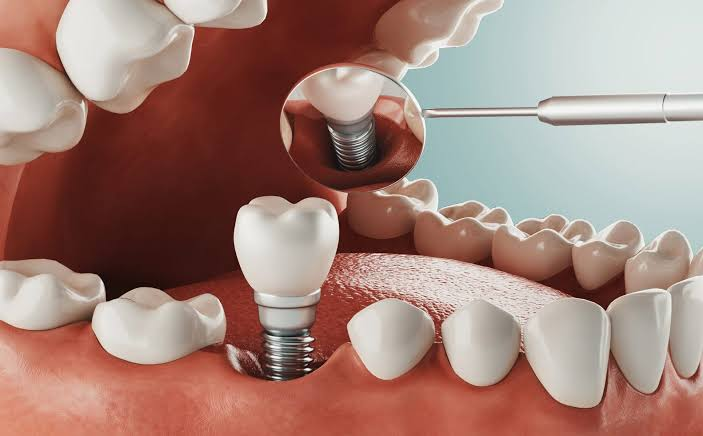
Once healing is complete, the implant becomes part of your jaw, allowing it to withstand everyday chewing forces without slipping or shifting. Because the implant transfers pressure directly into the surrounding bone, it helps maintain healthy bone density while supporting a natural bite pattern.
The custom implant crown is designed to match the shape, size, and contours of your natural molars. Advanced digital planning ensures that the chewing surfaces align correctly with your opposing teeth, allowing food to be broken down efficiently while minimizing unnecessary stress on the surrounding dentition.
Another important advantage is longevity. Numerous long-term clinical studies have reported implant survival rates of 95% to 98% over 10 years when patients maintain good oral hygiene and attend regular dental checkups. This predictable success rate has made dental implants the preferred solution for replacing missing posterior teeth.
Unlike removable dentures that may shift during meals, implants remain firmly anchored in place. Patients often report that their implant feels so natural they eventually forget which tooth was replaced.
Dental implants do far more than fill an empty space in your smile. Their greatest benefit is restoring the strength, balance, and stability needed for comfortable, efficient chewing.
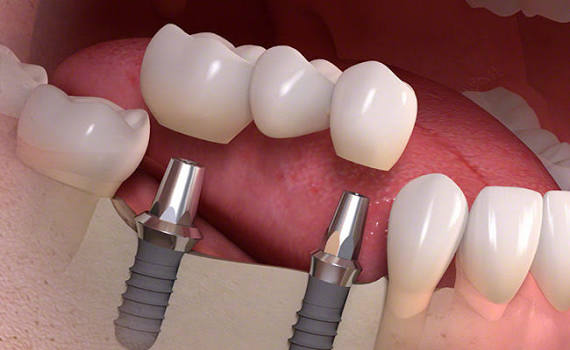
Because implants fuse directly with the jawbone, they create a solid foundation that closely resembles a natural tooth root. This stability allows biting forces to be transferred safely into the bone instead of placing excessive pressure on neighboring teeth.
A missing molar often forces adjacent teeth to compensate for the lost chewing surface. Over time, this uneven workload can accelerate wear and contribute to fractures or gum problems. An implant restores proper force distribution across the bite, helping protect your remaining natural teeth.
Your chewing muscles naturally work together in a coordinated pattern. When one side of the mouth lacks proper support, these muscles may become unbalanced, sometimes leading to fatigue or jaw discomfort. Restoring a missing molar helps both sides of the jaw function more evenly, reducing unnecessary strain during meals.
One of the most rewarding benefits of molar implants is the freedom to enjoy foods that may have become difficult after tooth loss. Many patients regain the confidence to eat steak, apples, carrots, corn on the cob, nuts, and other firm foods without worrying about discomfort or instability.
Perhaps most importantly, implants restore confidence. Instead of constantly thinking about which side to chew on, you can simply enjoy eating naturally again.
One of the most common questions patients ask is whether a dental implant can truly restore normal chewing power. Clinical research suggests that the answer is yes for many individuals.
Studies measuring bite force have found that implant-supported crowns can restore approximately 80% to 90% of the chewing efficiency of natural teeth. While the exact percentage varies depending on the patient's oral health, implant location, and healing process, most patients experience a dramatic improvement compared to leaving the space untreated.
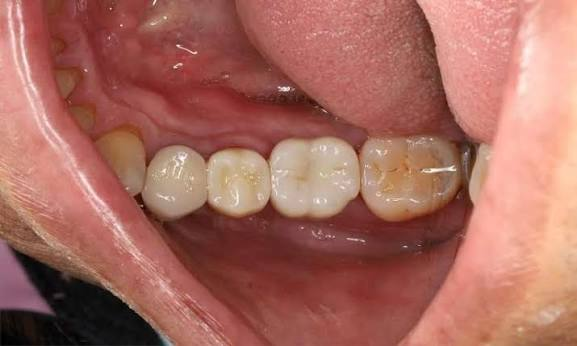
By comparison, removable complete dentures generally restore only about 20% to 40% of natural bite force, making it significantly harder to chew dense or fibrous foods. This difference explains why implant patients often report a much more natural eating experience.
Improved chewing efficiency also benefits digestion. Properly chewing food into smaller particles allows digestive enzymes to work more effectively, reducing strain on the stomach and improving nutrient absorption. Although digestion depends on many factors, restoring healthy chewing function plays an important role in the first stage of the digestive process.
Many patients also notice that they eat more slowly and comfortably after treatment, allowing them to enjoy a wider variety of healthy foods without hesitation.
Recovery after a molar implant varies from person to person, but the process follows several predictable stages.
During the first few days, mild swelling and tenderness are normal. Most patients can return to everyday activities within 24 to 48 hours, although a soft-food diet is usually recommended while the surgical site begins healing.
Over the next three to six months, the implant gradually fuses with the surrounding jawbone through osseointegration. This healing phase is critical because it creates the strong biological bond that gives implants their long-term stability.
Once healing is complete, your dentist places the permanent custom crown. At this stage, patients can typically return to eating nearly all of their favorite foods with confidence. Most people report that chewing feels increasingly natural over the following weeks as they adapt to their restored bite.
Maintaining excellent oral hygiene and attending regular follow-up visits help ensure your implant continues functioning successfully for many years.
Replacing a missing molar requires more than simply placing an implant. Successful treatment depends on careful planning, advanced technology, and the experience of a skilled dental team. At Marvel Dental, every treatment plan is personalized to restore both function and long-term oral health.
Using advanced 3D CBCT imaging, our dentists evaluate bone quality, surrounding anatomy, and bite alignment before recommending treatment. This detailed planning improves implant accuracy while reducing the risk of complications and helping patients achieve predictable results.
Each implant restoration is custom designed to blend naturally with your existing smile while providing the strength needed for everyday chewing. From implant placement to the final crown, every step is carefully coordinated to maximize comfort, stability, and long-term performance.
Our team also understands that every patient has unique goals and concerns. Whether you are replacing a single molar or rebuilding multiple missing teeth, we take the time to explain your treatment options, answer your questions, and create a plan tailored to your needs.
With modern technology, evidence-based care, and a commitment to exceptional patient experiences, Marvel Dental helps patients regain the confidence to smile, eat, and live comfortably again. Whether your goal is enjoying your favorite foods without discomfort or protecting your oral health for years to come, our team is here to help you achieve lasting results.
Conclusion
A missing molar can affect far more than your smile. It can reduce your chewing power, change the way you eat, and gradually impact your overall oral health. Dental implants offer one of the most reliable ways to restore the strength, stability, and function of a natural tooth, helping you enjoy your favorite foods with greater comfort and confidence.
If you're ready to regain a strong, healthy bite, the experienced team at Marvel Dental is here to help. Schedule your consultation today to learn whether a custom molar implant is the right solution for restoring your smile and improving your quality of life.
Experience dental care that puts your comfort, confidence, and health first. We're here to make dental visits feel like your home away from home.
The team at Marvel Dental is ready to assist with your questions, coordinate your appointment, and guide you through a comfortable, well-organized visit from start to finish.