

November 3, 2026
Have You Been Told You Are Not a Candidate for Dental Implants?
Implant Dentistry


November 3, 2026
Implant Dentistry
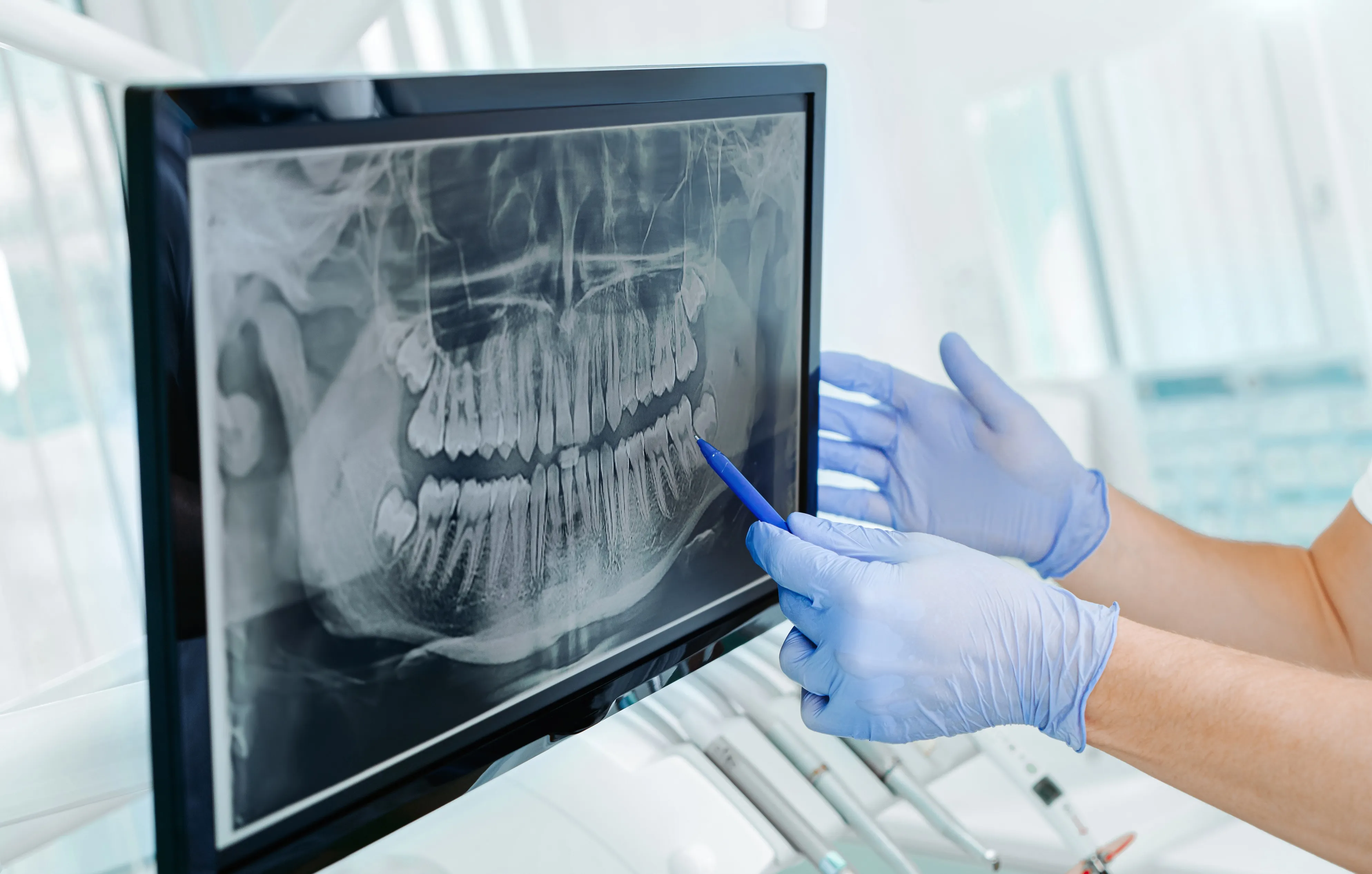
Quick answer: Being told you are not a candidate for dental implants usually means “not yet” or “not with a standard plan,” not “never.” Low bone, gum disease, uncontrolled diabetes and smoking can often be treated or planned around with grafting, a sinus lift, shorter or angled implants, or a different tooth replacement.
You finally decided to replace that missing tooth.
You took the time off work, sat through the consultation, and then heard the sentence you were dreading: “I’m sorry, you’re not a candidate for implants.”
Maybe you were told there isn’t enough bone. Maybe it was your diabetes, your gums, or the fact that you smoke. Either way, you walked out feeling like a door had closed.
If that’s where you are right now, this article is for you.
The simple answer is… many people who are turned down for implants can still get them after the underlying problem is treated or a different implant approach is used.
The more honest answer is… a small number of people should not have implants, at least for now, and a good dentist will tell you that clearly. The key is finding out which group you are in, and why.
Very few things are true “never” rules. Most reasons for a no fall into a handful of categories, and many of them can change.
Notice the pattern. Most of these are conditions that can be treated, controlled, or worked around.
A “no” is often a starting point, not a final verdict.
Low bone is one of the most common reasons people hear “you’re not a candidate.” It is also one of the most solvable.
A bone graft adds material to the jaw to rebuild the area where an implant will go. Research on these techniques is extensive, though the best method depends on the size and location of the defect (Esposito et al., 2008).
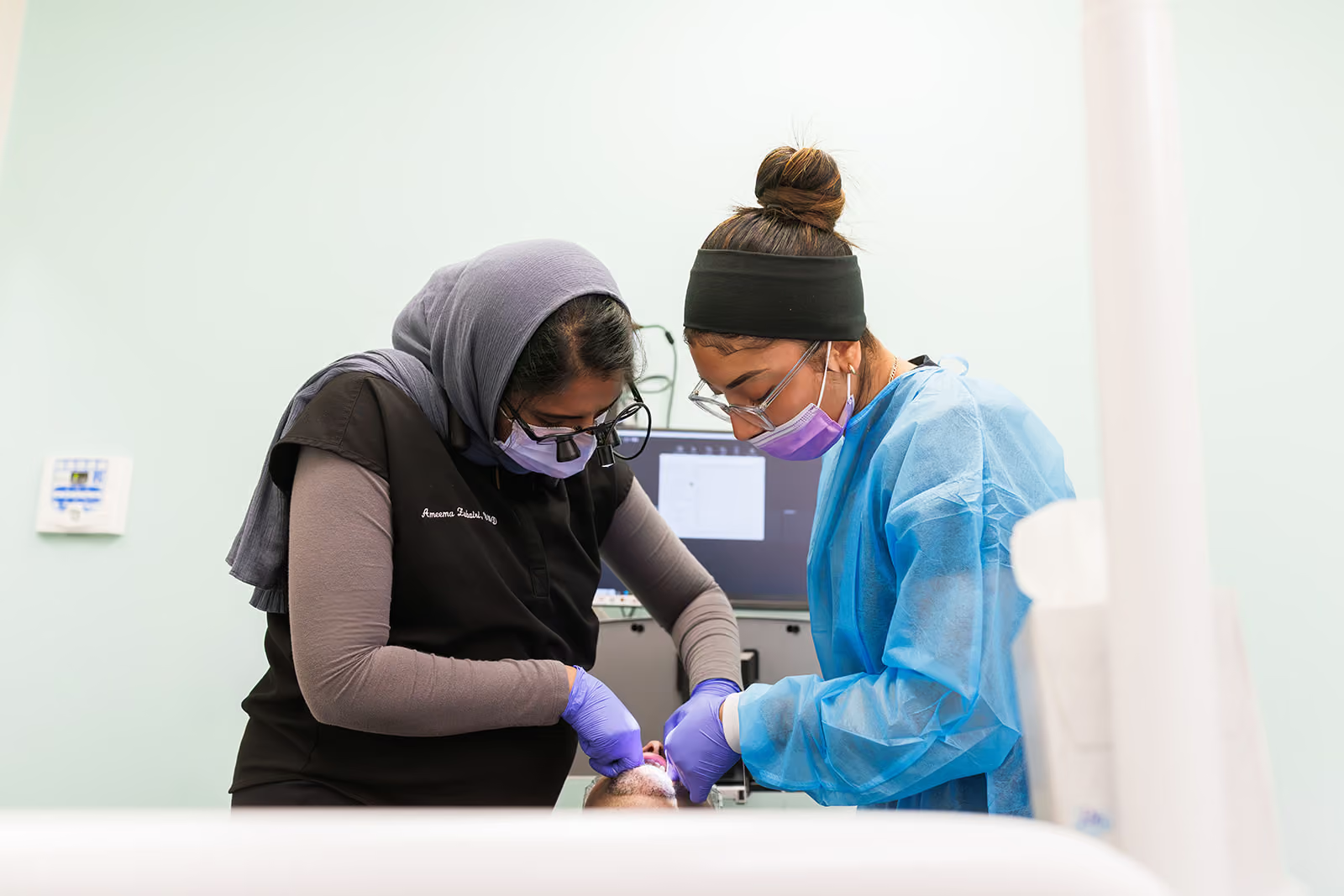
In the upper back jaw, the sinus can sit close to where an implant needs to go. A sinus lift raises the sinus membrane and places graft material beneath it. A Cochrane review found these procedures do work, but they come with more complications than simpler approaches (Esposito et al., 2014).
Sometimes the answer is a shorter implant rather than more bone. A meta-analysis of randomized trials found no difference in survival between short implants and longer implants placed with bone augmentation (Chen et al., 2019).
For people missing most or all of their teeth, All-on-X implants use four to six strategically angled implants to support a full arch. Angling the implants can help them reach the bone that is still available.
When the upper jaw has very little bone left, extra-long zygomatic implants anchor in the cheekbone instead. One systematic review reported a 12-year cumulative survival rate of 95.21% (Chrcanovic et al., 2016). This is a specialized procedure, and it may involve referral to a surgeon who focuses on it.
Often, yes. The goal is to lower the risk before the implant goes in.
Diabetes. The concern is poor control, not the diagnosis itself. Patients with poorly controlled diabetes show impaired healing and more implant failure, while well-controlled patients do about as well as healthy patients (Naujokat et al., 2016). Working with your physician on your blood sugar can change the answer.
Gum disease. Implants are not placed into active infection. Periodontal treatment comes first, followed by steady maintenance, because a history of periodontitis raises the risk of peri-implantitis (Sgolastra et al., 2015).
Smoking. Smoking is linked with higher implant failure and more bone loss around implants (Moraschini & Barboza, 2016). Cutting back or quitting before treatment is one of the most powerful things you can do for your result.
There is no upper age limit.
In a meta-analysis of implants in older adults, survival was 96.2% at 5 years and 91.2% at 10 years, and the authors concluded that age alone should not be a limiting factor (Srinivasan et al., 2017).
Osteoporosis is a common worry for older patients. A meta-analysis found no significant difference in implant failure at the patient level between people with and without osteoporosis, though there was slightly more bone loss around implants (de Medeiros et al., 2018).
Some osteoporosis and cancer medications do matter. Implant survival in patients taking bisphosphonates for osteoporosis has been reported as high, while implants are generally not recommended for people taking these drugs for cancer (Schmitt et al., 2018). The American Association of Oral and Maxillofacial Surgeons publishes guidance on this medication-related risk (Ruggiero et al., 2022), which is why we review every medication with you.
This is the part most people never get explained.
“Not yet” means there is a fixable problem standing in the way. Gum disease that needs treatment. Blood sugar that needs to come down. Bone that needs to be rebuilt. Once that problem is handled, implants may be back on the table.
“Not ever” is much rarer. It might apply to someone taking high-dose bone drugs for cancer, or someone whose overall health makes surgery unsafe. Even then, there are good ways to replace teeth.
If no one explained which one applies to you, it is worth asking.
It can feel confusing to get two different answers about the same mouth. Usually, it comes down to how each office approaches the problem.
None of this means the first dentist was wrong. It means the word “candidate” depends on the plan, not just on you.
At Marvel Dental, we start with the full picture. For patients in Clifton and nearby Passaic, Paterson, Nutley and Garfield who have been turned down elsewhere, this is often where a second look begins.

From there, we can tell you plainly whether implants are possible now, possible after preparation, or not the right fit, and what the alternatives look like.
If implants truly are not right for you, or not yet, you still have options. Here is how the main choices compare.
OptionHow it is held in placeBone requirementBest forImplant with grafting or sinus liftFused to the jawBone is rebuilt firstPeople who want a fixed tooth and can wait for healingShort or angled implantsFused to the jawUses the bone already thereSome patients who want to avoid or limit graftingAll-on-X full arch4 to 6 implants supporting a fixed archWorks with available bone using angled placementPeople missing most or all teeth in an archDental bridgeAnchored to neighboring teethNone at the gapOne or two missing teeth with healthy neighborsDenturesRest on the gumsNonePeople who cannot have surgery or want a non-surgical option
A bridge or full or partial dentures can be a solid choice. They simply do not replace the tooth root, so they do not stimulate the jawbone the way an implant does.
If you are replacing a back tooth, our article on how molar implants restore your chewing power explains why the type of replacement matters for everyday eating.
Extra steps can open the door to implants, but they are not risk-free.
The good news is that once implants are healed and maintained, long-term results are strong. One systematic review found 96.4% implant survival at 10 years (Howe et al., 2019).
Cost depends on what your mouth needs. These are the ranges published on our service pages, and your estimate will be personal to you.
We accept most PPO insurance plans and offer financing through Cherry and CareCredit. Coverage for implants and grafting varies by plan, so our article on what dental implant insurance covers is a helpful next read.
You can also review the full dental implants process, from planning to healing, before your visit.
Been told no somewhere else? Bring your questions, and your X-rays if you have them, and let us take a second look. Contact Marvel Dental in Clifton, NJ to schedule an implant consultation.
Experience dental care that puts your comfort, confidence, and health first. We're here to make dental visits feel like your home away from home.
The team at Marvel Dental is ready to assist with your questions, coordinate your appointment, and guide you through a comfortable, well-organized visit from start to finish.