.avif)
.avif)




May 10, 2026
Dental Implant Insurance Explained: What’s Covered And What’s Not
Implant Dentistry
.svg)


May 10, 2026
Implant Dentistry

Dental implants are one of the most effective long-term solutions for missing teeth, but many patients hesitate to move forward because they are unsure what their insurance will actually cover. From implant surgery and crowns to bone grafting and financing options, understanding dental implant insurance can feel confusing without the right guidance.
In this guide, we’ll break down what dental insurance commonly covers, what is often excluded, and how you can make dental implant treatment more affordable while protecting your long-term oral health and confidence.
The short answer is: sometimes. Dental insurance coverage for implants can vary significantly depending on your provider, policy, and the reason for treatment. While dental implants were once considered purely cosmetic and rarely covered, many modern insurance plans now provide partial benefits for implant procedures because of their long-term oral health advantages.
In many cases, insurance may cover certain parts of the treatment rather than the entire procedure. For example, your plan might help pay for consultations, tooth extractions, X-rays, or the final dental crown while offering limited coverage for the implant post itself. Some plans may also include waiting periods, annual maximums, or restrictions on specific procedures.
Because every policy is different, it’s important to review your dental benefits carefully before starting treatment. Understanding what is covered and what costs may be out-of-pocket can help you plan your treatment with greater confidence and avoid unexpected expenses later on.
Dental implant treatment involves several steps, and insurance coverage may apply differently to each part of the process. While some plans provide partial implant benefits, others may only cover procedures considered medically necessary. Understanding which components may be included can help you better estimate your overall treatment costs.
Initial Consultation and Diagnostic Imaging
Many dental insurance plans help cover the cost of the initial exam, digital X-rays, and diagnostic imaging used to evaluate your oral health and determine whether dental implants are the right option for you.
Tooth Extractions
If a damaged or failing tooth needs to be removed before implant placement, insurance may partially cover the extraction, especially when it is considered medically necessary.
Bone Grafting
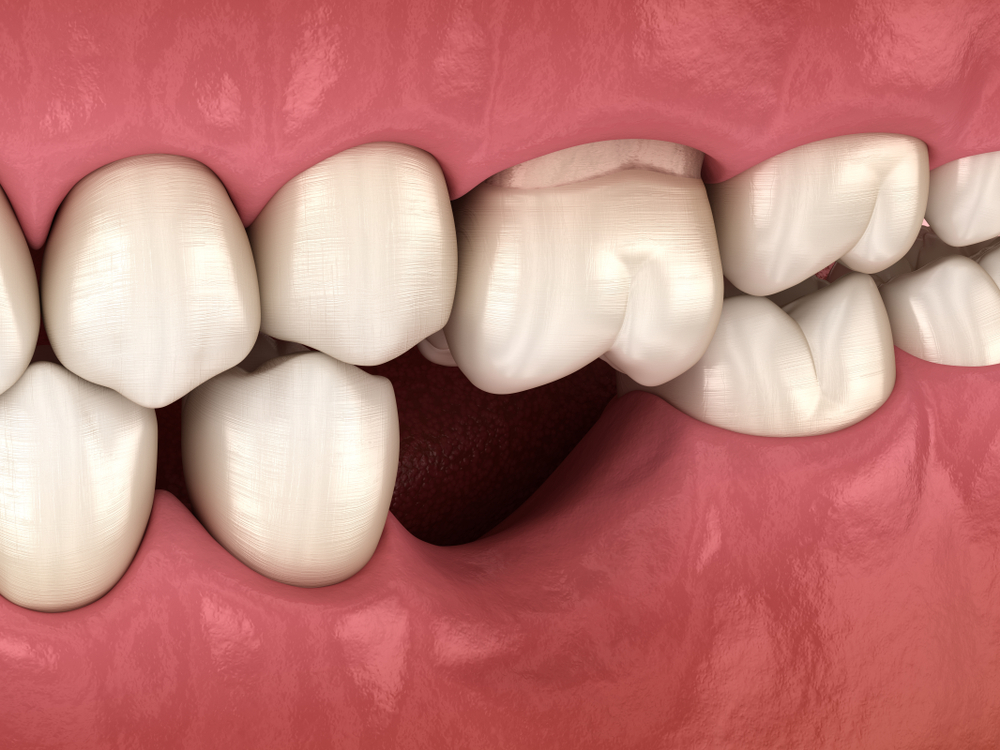
Patients with bone loss may require bone grafting to strengthen the jaw before receiving implants. Some insurance providers offer limited coverage for this procedure, while others may exclude it entirely.
Implant Placement Surgery
Coverage for the implant post itself varies widely between insurance plans. Some policies may pay a percentage of the surgical cost, while others classify implants as elective treatment and provide little or no coverage.
Dental Crown or Final Restoration
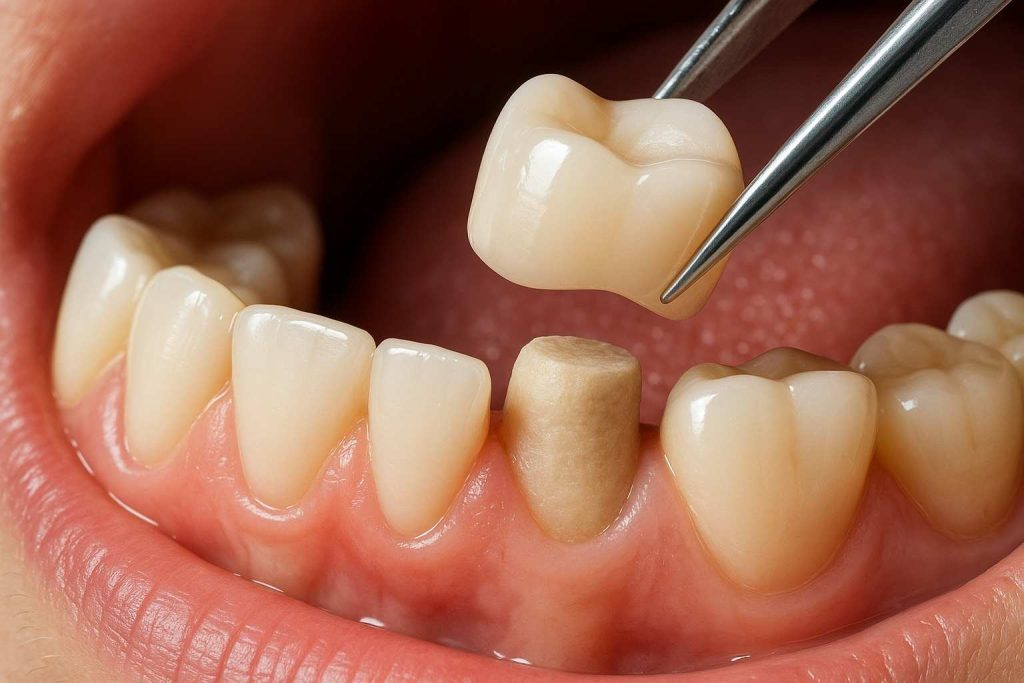
The custom dental crown, bridge, or denture attached to the implant is more commonly covered by insurance because it restores the function of the missing tooth. Coverage amounts will depend on your plan’s annual maximum and benefits structure.
Although some dental insurance plans offer partial implant benefits, there are still many parts of treatment that may not be fully covered. Insurance providers often place limitations on procedures they consider cosmetic, elective, or outside the scope of basic restorative care.
Common expenses that may not be covered include:
Some insurance plans also include waiting periods, missing tooth clauses, or exclusions for teeth lost before your policy became active. Because coverage varies widely between providers, reviewing your benefits in advance can help you better understand your expected out-of-pocket costs before beginning treatment.
Dental implant coverage can vary greatly from one insurance plan to another because every provider has different policies, benefit limits, and treatment classifications. While some plans recognize implants as an important restorative procedure, others may still consider them elective or cosmetic treatment.
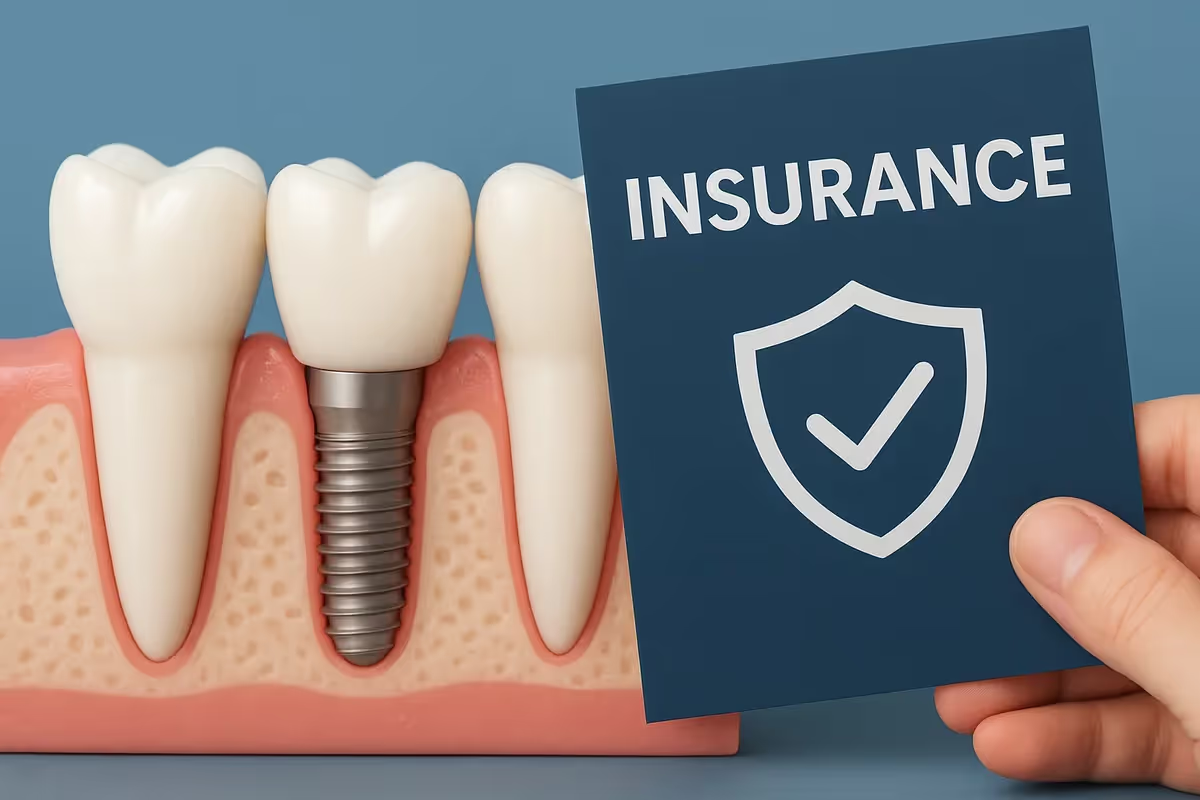
Several factors can affect how much your insurance will cover, including:
Employer-sponsored plans may also offer different implant benefits compared to privately purchased insurance policies. In many cases, insurance may cover only certain portions of treatment, such as the crown or extraction, while excluding the implant post itself.
Because coverage details can be complex, it’s always a good idea to verify your benefits before starting treatment so you can better understand your financial responsibilities and available options.
Without dental insurance, the cost of dental implants can feel overwhelming at first, which is why this is one of the most searched questions among patients considering treatment. The good news is that understanding the typical price range can help you plan ahead and explore financing options with more confidence.
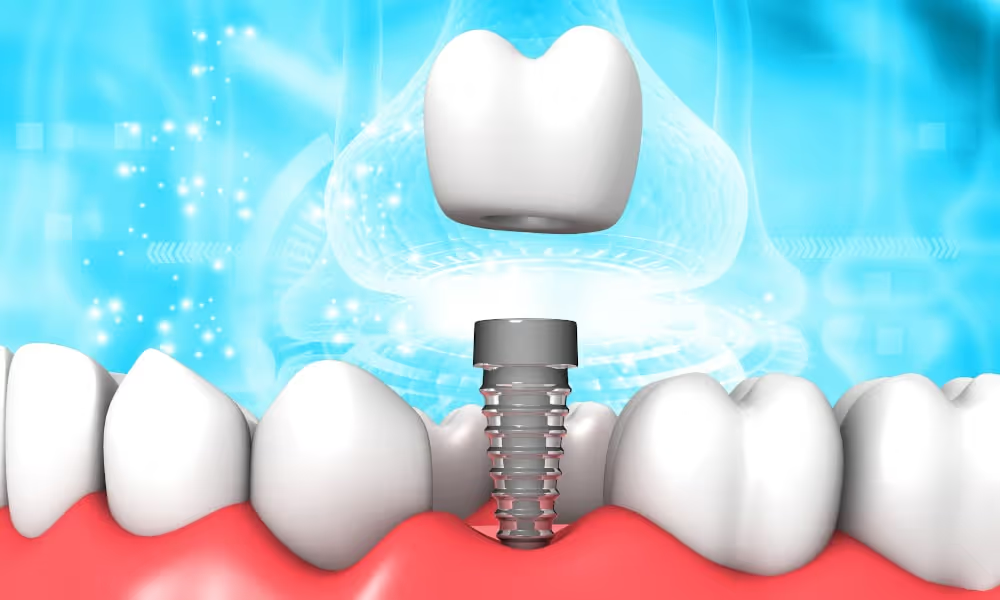
In many cases, a single dental implant in Clifton typically ranges from $3,000 to $5,000 without insurance. This estimate often includes the implant post, abutment, and custom dental crown. Patients needing more extensive treatment, such as implant-supported bridges or full-mouth restoration, may have higher overall costs depending on the complexity of the case.
For patients needing more extensive treatment, costs may increase depending on the number of implants and additional procedures required:
Several factors can affect the final cost of treatment, including:
Although dental implants may cost more upfront than bridges or dentures, many patients consider them a worthwhile long-term investment because of their durability, comfort, and natural appearance. With proper care, dental implants can last for decades and help prevent future oral health complications.
Although dental implants can be a significant investment, there are several ways patients in Clifton can make treatment more manageable and budget-friendly. Many dental offices now offer flexible payment solutions designed to help patients restore their smiles without delaying care.
Financing Options
Many dental practices offer monthly payment plans through third-party financing companies, allowing patients to spread out treatment costs over time instead of paying everything upfront.
Using HSA or FSA Accounts
Health Savings Accounts (HSA) and Flexible Spending Accounts (FSA) can often be used to pay for eligible dental implant procedures using pre-tax funds, helping reduce overall out-of-pocket expenses.
Maximizing Insurance Benefits
Even if your insurance does not fully cover implants, it may still help pay for parts of the treatment, such as exams, extractions, or crowns. Coordinating your benefits carefully can help lower your total costs.
Investing in Long-Term Value
While dental implants may cost more initially than bridges or dentures, they are designed to last much longer and help prevent future oral health problems, making them a worthwhile long-term investment for many patients.
At Marvel Dental, we understand that one of the biggest concerns patients have about dental implants is cost and insurance coverage. Dental benefits can often feel confusing, especially when every insurance plan has different rules, limitations, and annual maximums. That’s why our team is committed to helping patients in Clifton better understand their options before treatment begins.
Our experienced staff works directly with patients to verify insurance benefits, explain coverage details, and provide clear treatment estimates so there are fewer surprises along the way. We proudly accept many major PPO insurance plans and help patients maximize available benefits whenever possible. Even if your insurance only covers part of the procedure, our team will help you explore ways to reduce out-of-pocket expenses and make treatment more manageable.
For patients without insurance or those seeking more flexible payment options, Marvel Dental also offers financing through Cherry Payment Plans. This allows qualified patients to split treatment costs into affordable monthly payments with a simple application process and flexible financing terms. Our goal is to help patients move forward with the dental care they need without unnecessary financial stress or delays.
Whether you need a single dental implant or a full-mouth restoration, we believe every patient deserves access to high-quality, long-lasting dental care in a comfortable and supportive environment.
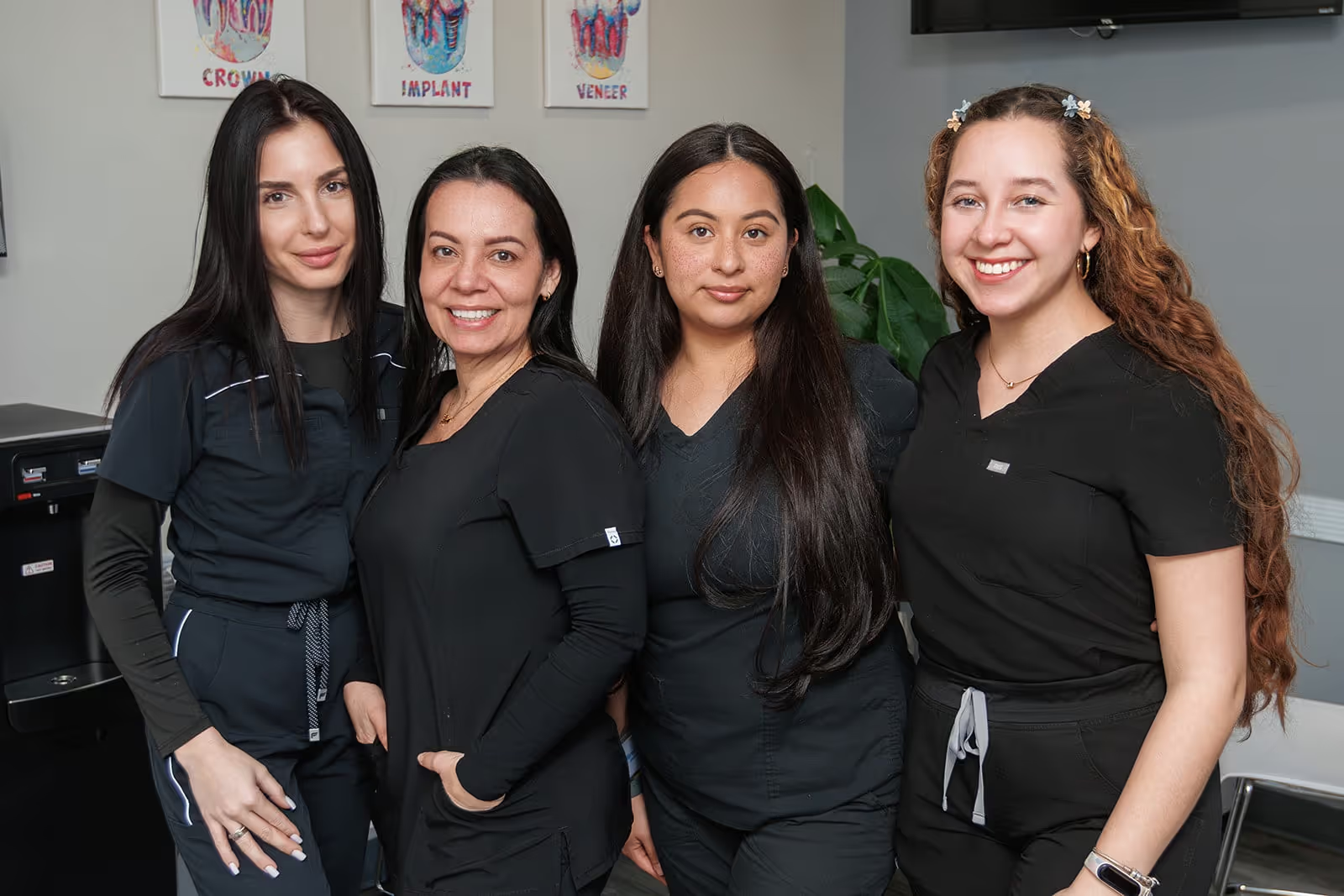
If you are considering dental implants in Clifton, choosing the right dental team can make all the difference in your comfort, results, and overall experience. At Marvel Dental, patients trust Dr. Anna Gazu and her team for their combination of advanced dental technology, personalized care, and attention to detail.
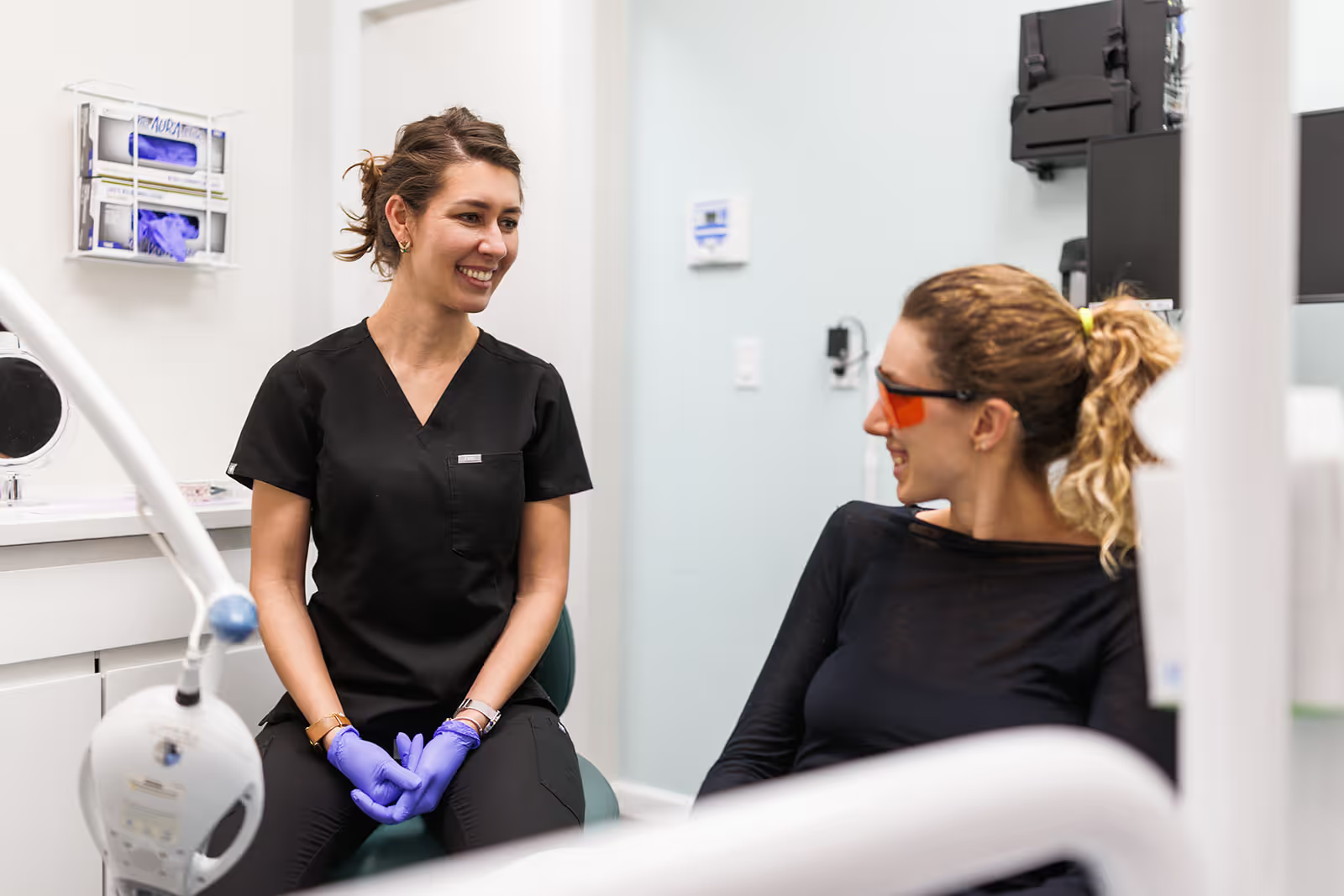
Using modern digital imaging and precise treatment planning, our office is able to create natural-looking implant restorations designed for long-term function and confidence. Whether you are replacing a single missing tooth or restoring your entire smile, we are committed to helping you achieve healthy, beautiful results in a welcoming and comfortable environment.
Experience dental care that puts your comfort, confidence, and health first. We're here to make dental visits feel like your home away from home.
The team at Marvel Dental is ready to assist with your questions, coordinate your appointment, and guide you through a comfortable, well-organized visit from start to finish.