

October 29, 2026
What to Do About Hypersensitive Teeth
General Dentistry


October 29, 2026
General Dentistry

You take a sip of iced water, bite into a cold scoop of ice cream, or breathe in sharply on a winter morning, and suddenly a quick, sharp jolt shoots through your tooth. It is gone in a second, but it is enough to make you wince. Before long, you may find yourself chewing on one side, letting your coffee cool down, or brushing more carefully than you should.
If this sounds familiar, you are not alone. Tooth sensitivity is one of the most common complaints dentists hear, and it can make everyday eating and drinking surprisingly uncomfortable. The good news is that in most cases, it is very treatable. The key is understanding why your teeth are sensitive, because the right solution depends on the cause. In this guide, we will explain what hypersensitive teeth are, what causes them, what you can do at home, and when it is time to see a dentist.
Hypersensitive teeth, known clinically as dentin hypersensitivity, cause a short, sharp pain when the tooth is exposed to certain triggers. The discomfort usually comes on quickly and fades just as quickly once the trigger is removed. Common triggers include:
That quick on-and-off pattern is an important clue. It is one of the main features that separates ordinary sensitivity from other dental problems that may need more urgent attention.
To understand sensitivity, it helps to know how a tooth is built. The outer layer of the crown is enamel, the hardest substance in the body. Below the gumline, the root is covered by a thinner layer called cementum. Beneath both lies dentin, a softer layer filled with thousands of microscopic tubes that lead toward the nerve of the tooth.
When enamel wears down or the gums pull back, these tiny tubes become exposed. Cold, heat, sweetness, or pressure causes the fluid inside them to move, and the nerve interprets that movement as pain. This explanation, called the hydrodynamic theory, is the most widely accepted explanation for dentin hypersensitivity.
This also explains how treatment works. Most sensitivity treatments either calm the nerve so it reacts less to stimulation or seal the open tubes so that triggers cannot reach the nerve as easily.
Sensitivity is a symptom rather than a diagnosis. Something has exposed the dentin, and identifying that underlying cause is the most important step toward lasting relief. Common causes include:
In many cases, more than one of these factors is involved. For example, someone who grinds their teeth at night and also brushes aggressively may develop worn areas at the gumline that remain sensitive no matter which toothpaste they try.
This is an important question, because several dental problems can feel very similar to ordinary sensitivity. Many of them can only be confirmed with an exam and dental X-rays. These include:
As a general rule, typical sensitivity is sharp, brief, and often affects more than one tooth. It goes away as soon as the trigger is gone. Pain that lingers, throbs, wakes you up at night, or is focused on one specific tooth when you bite should be evaluated by a dentist. These symptoms suggest a problem that a sensitivity toothpaste alone will not solve.
For mild sensitivity, a few simple changes to your daily routine can make a noticeable difference within a few weeks. These habits also support your long-term preventive dental care.
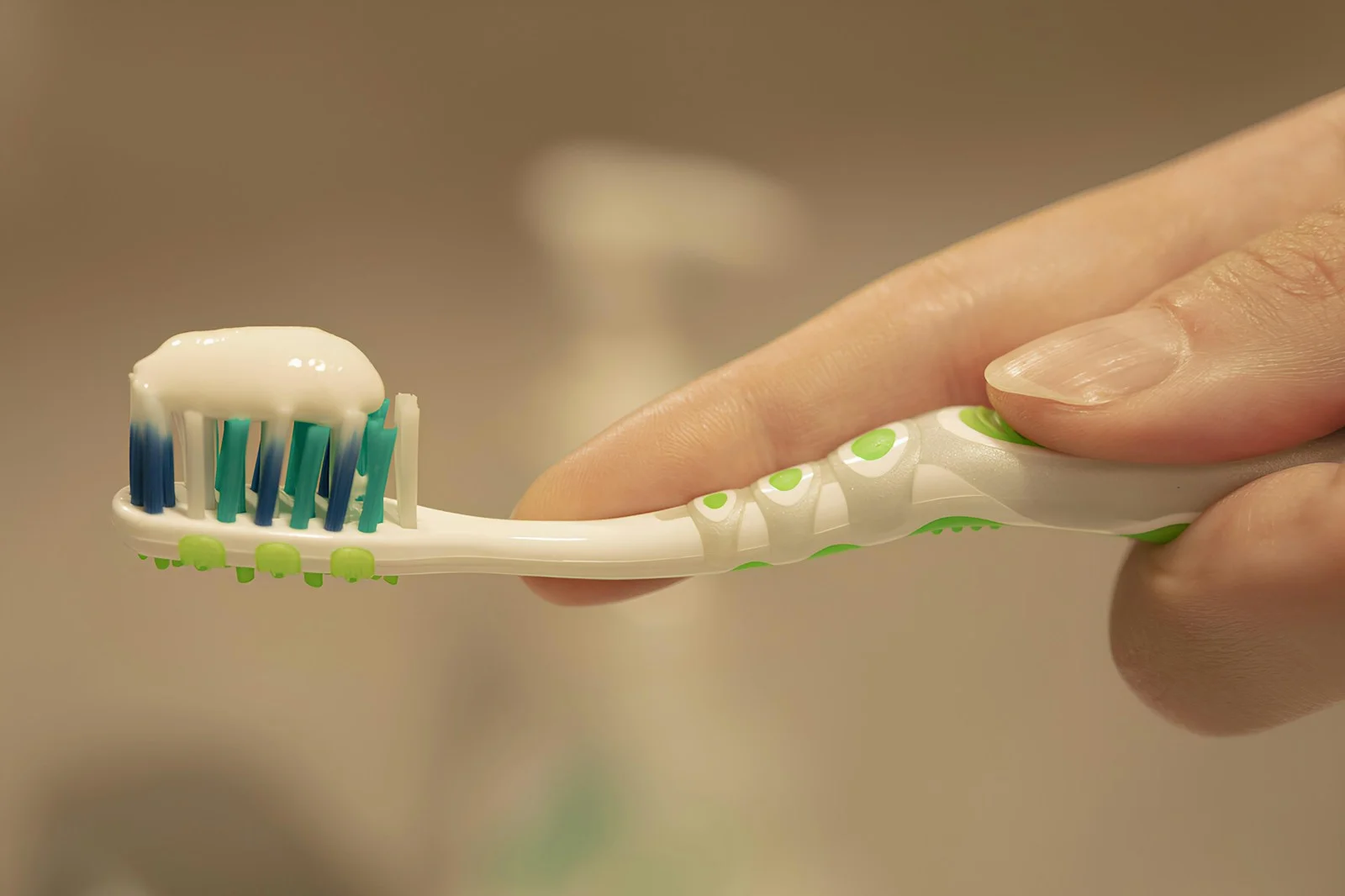
Desensitizing toothpastes are designed to reduce sensitivity over time. Use one twice a day, every day, and give it at least two to four weeks to work. These products build up their effect gradually, so consistency matters.
After brushing, spit out the excess toothpaste but avoid rinsing with water. Leaving a thin layer of toothpaste on your teeth allows the active ingredients to keep working longer.
Choose a soft-bristled brush and hold it lightly, like a pencil rather than a hammer. An electric toothbrush with a pressure sensor can be especially helpful if you tend to scrub too hard.
You do not need to give up coffee, citrus, or the occasional soda. Instead, enjoy acidic drinks with meals, use a straw when possible, and rinse your mouth with water afterward.
Enamel is temporarily softer right after exposure to acid. Waiting about 30 to 60 minutes before brushing helps protect it from unnecessary wear.
If your sensitivity began after using whitening products, take a break and talk with your dentist. Professional teeth whitening can be adjusted to be gentler on sensitive teeth.
For most people, yes. A 2018 systematic review and meta-analysis of 53 clinical trials found that most desensitizing toothpastes reduced sensitivity compared with regular toothpaste. The ingredients with the strongest support included:
A few formulations, including those based on strontium and amorphous calcium phosphate, did not show a clear benefit. Earlier research on potassium-based toothpastes was also more mixed. If you have used a sensitivity toothpaste faithfully for a month and still feel discomfort, that is a sign to schedule an evaluation rather than continue switching brands.
When home care is not enough, your dentist can offer faster and stronger options. Most of these treatments take only a few minutes and usually do not require anesthesia.
Sealing a sensitive area can provide welcome relief, but if the underlying cause is still active, the sensitivity is likely to return. That is why lasting treatment focuses on the source of the problem:
Two patients can describe the exact same twinge yet need completely different treatment plans. That is why a careful examination always comes first. You can learn more about the full range of options on our restorative dentistry page.
Schedule a dental visit if any of the following apply:
You do not need to wait until the pain becomes severe. Sensitivity is much easier to treat early, before gum recession or enamel wear progresses. If you have severe pain, swelling, or signs of infection, seek emergency dental care promptly.
At Marvel Dental, we do not simply hand you a tube of toothpaste and send you on your way. Led by Dr. Anna Gazu, DMD, our team takes the time to find out why your teeth are sensitive before recommending treatment.
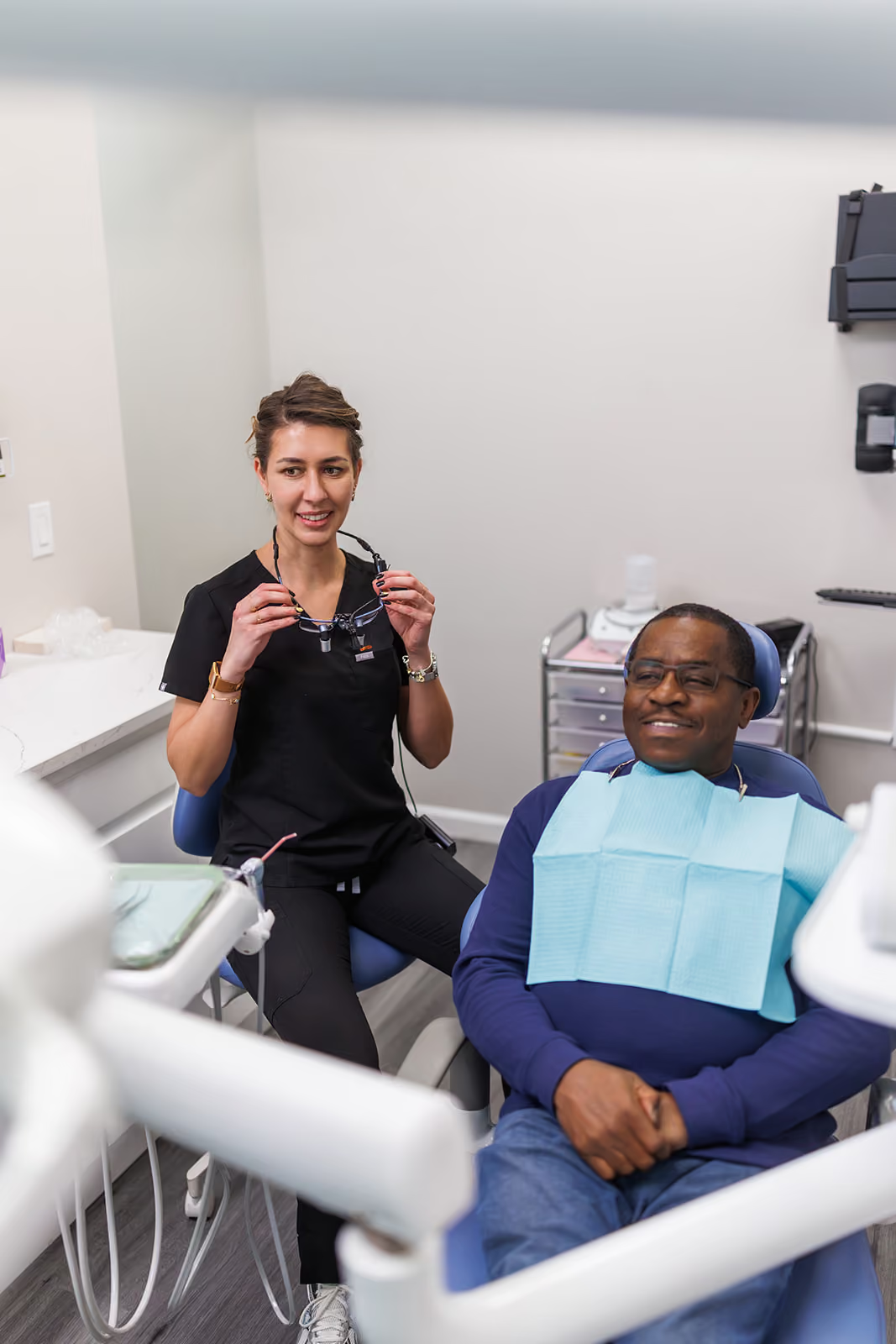
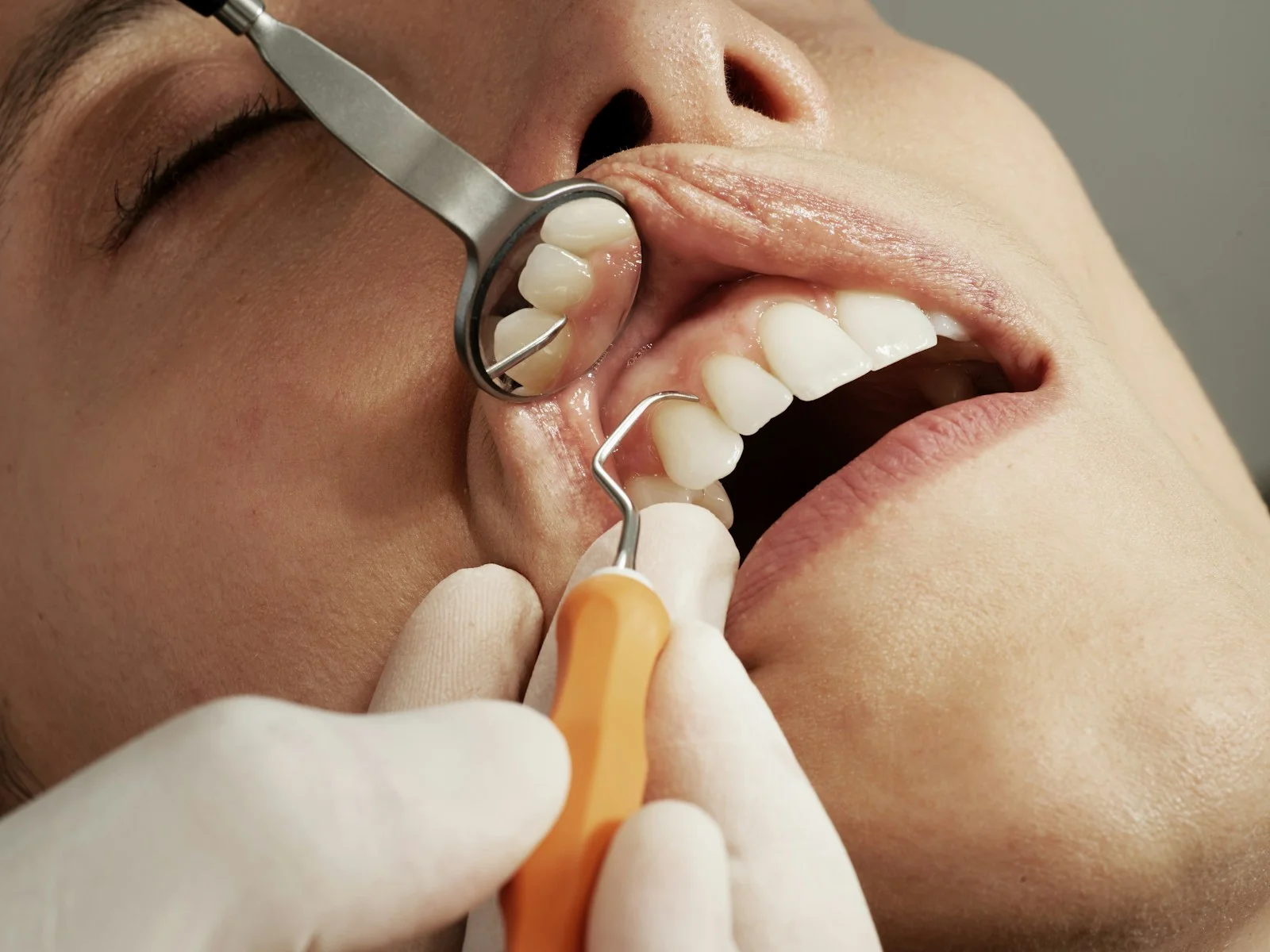
Your visit begins with a comprehensive dental exam that includes checking your gums, enamel, existing restorations, and bite, along with ruling out cavities or cracks with advanced dental imaging when needed. We will also ask about your diet, brushing habits, and whether you grind or clench your teeth, because these details often reveal the true source of the problem.
From there, we create a personalized plan that fits your needs. For some patients, relief comes from a simple change in toothpaste and brushing technique. Others benefit from in-office desensitizing treatments, bonding, a custom night guard, or care for the gums. Whatever the cause, our goal is not just to ease today's discomfort but to help keep it from coming back.
If hot coffee, cold drinks, or brushing have become uncomfortable, contact Marvel Dental in Clifton, NJ to schedule an evaluation and get back to enjoying your favorite foods comfortably. You can review our insurance information and financing options before your visit. To learn more about our approach, read why patients choose Marvel Dental for general dentistry in North Jersey.
Conclusion
Hypersensitive teeth are common, uncomfortable, and in most cases very treatable. Sensitivity happens when the dentin beneath your enamel or gums becomes exposed, often due to gum recession, aggressive brushing, acid erosion, or grinding. A sensitivity toothpaste, gentle brushing, and smart eating habits can help many people, while in-office treatments offer faster and stronger relief when needed.
Most importantly, lasting relief comes from treating the cause, not just the symptom. At Marvel Dental, Dr. Anna Gazu, DMD, and the dental team are here to identify what is behind your sensitivity and help you find the right solution. Schedule an appointment today and take the first step toward a more comfortable smile.
Experience dental care that puts your comfort, confidence, and health first. We're here to make dental visits feel like your home away from home.
The team at Marvel Dental is ready to assist with your questions, coordinate your appointment, and guide you through a comfortable, well-organized visit from start to finish.