.avif)
.avif)




August 20, 2026
My Crowns Just Came Loose - What Should I Do First?
Cosmetic Dentistry
.svg)


August 20, 2026
Cosmetic Dentistry
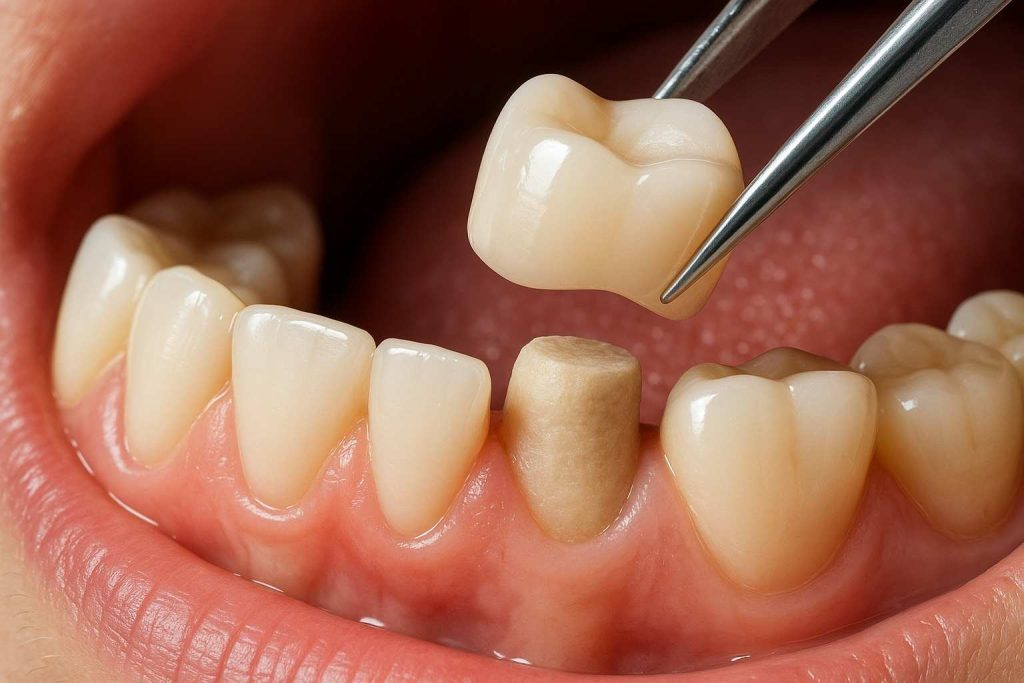
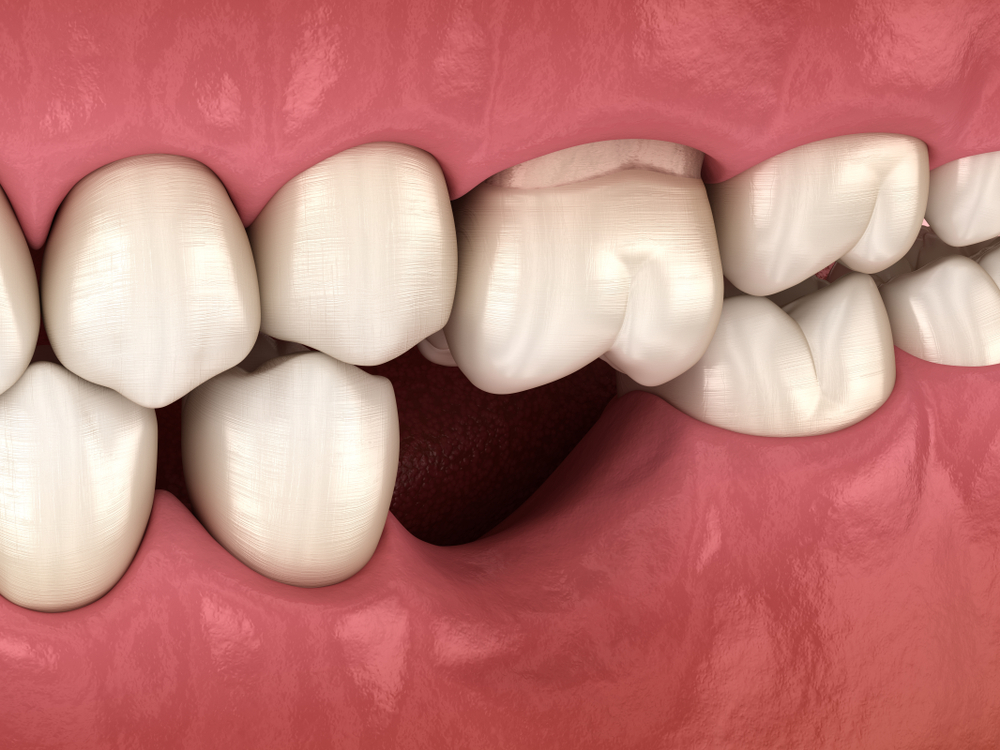
Imagine biting into your favorite meal when suddenly, something feels wrong. Your dental crown starts moving, feels unusually loose, or even comes off completely. It can be alarming, especially when you are not sure whether the tooth underneath is still protected. The good news is that a loose crown does not always mean you need a brand-new restoration.
However, what you do in those first few minutes can make a real difference. If your crown just came loose, knowing what to do next can help protect your tooth, prevent further damage, and get you the right treatment sooner. In this guide, we will walk you through the first steps to take, what to avoid, when a loose crown becomes a dental emergency, and how your dentist can restore your smile safely.
If your dental crown comes loose, the first thing to do is stay calm and avoid chewing on the affected side. A loose crown can expose the tooth underneath to pressure, temperature changes, bacteria, and further damage. Even if you are not experiencing pain, it is important to have the crown and underlying tooth examined by a dentist as soon as possible.
If the crown has completely fallen out, carefully remove it from your mouth and keep it in a clean, safe container. You can gently rinse the crown with water if it is dirty, but avoid scrubbing it aggressively or using any household cleaning products. Your dentist may be able to determine whether the existing crown is still usable, depending on its condition and the health of the tooth underneath.
Until you can see your dentist, keep the exposed tooth as clean as possible by brushing gently around the area and cleaning between your teeth carefully. If the tooth feels sensitive, avoid very hot, cold, sweet, or acidic foods and drinks. Softer foods can also reduce pressure on the affected area. Most importantly, do not use super glue or other household adhesives to put the crown back in place. These products are not designed for use inside the mouth and can make professional treatment more difficult.
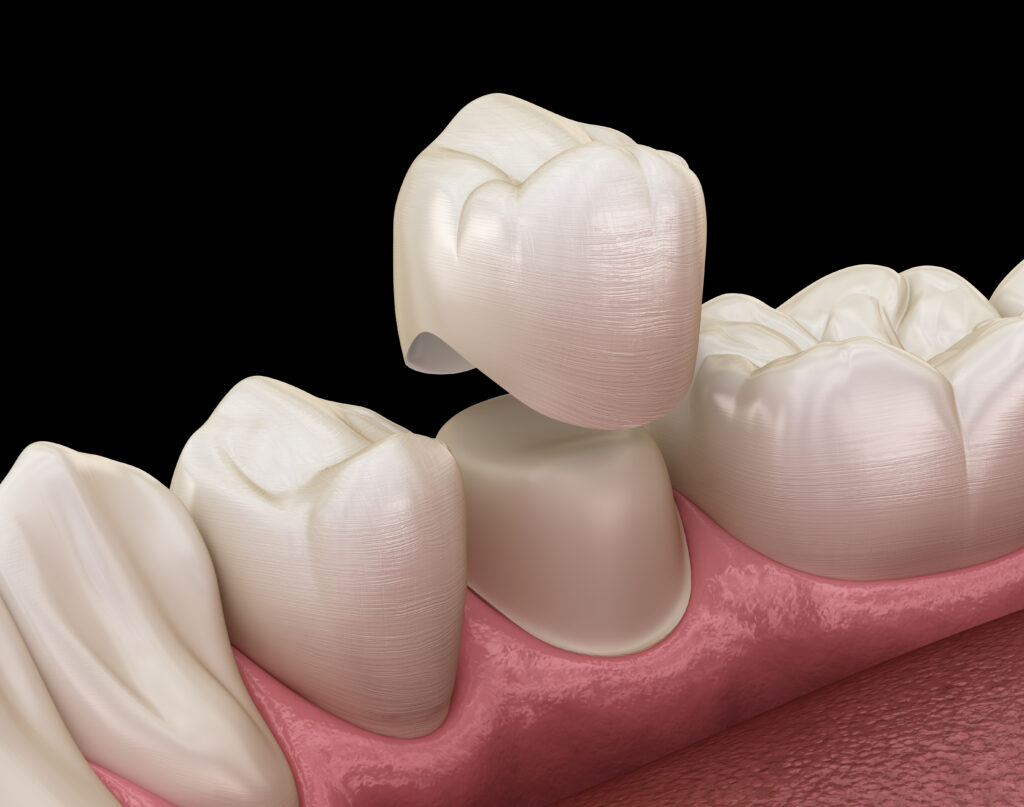
You should also contact your dentist promptly, particularly if the crown is moving significantly or has fallen out completely. A dentist needs to determine why the crown became loose before deciding whether it can simply be re-cemented or whether the tooth or crown requires additional treatment. In some cases, a loose crown may be related to weakened dental cement. In others, it can signal decay, a cracked tooth, damage to the crown, or changes in the way your teeth come together when you bite.
If you develop severe pain, facial or gum swelling, significant bleeding, a broken tooth, or signs of infection, seek urgent dental care rather than waiting for a routine appointment. Acting quickly can help protect the remaining tooth structure and reduce the risk of a relatively simple crown problem becoming a more complicated dental issue.
A loose dental crown is not always a dental emergency, but it should not be ignored. If your crown is moving, has fallen out, or no longer fits securely, contact your dentist promptly for an evaluation. The urgency depends largely on what caused the crown to come loose and whether the tooth underneath has been damaged.
If the crown is loose but you have no significant pain, swelling, bleeding, or other concerning symptoms, you may not need to visit an emergency dentist immediately. However, you should still schedule an appointment as soon as reasonably possible. Leaving the tooth exposed for too long can allow bacteria to reach vulnerable areas and may increase the risk of decay, sensitivity, or further damage.
The situation becomes more urgent if you experience severe or worsening tooth pain, swelling around the tooth or face, significant bleeding, a visibly fractured tooth, or signs of infection such as pus or a persistent bad taste in your mouth. A crown that comes loose following an accident or significant impact should also be evaluated promptly, as the tooth beneath the restoration may have sustained additional damage.
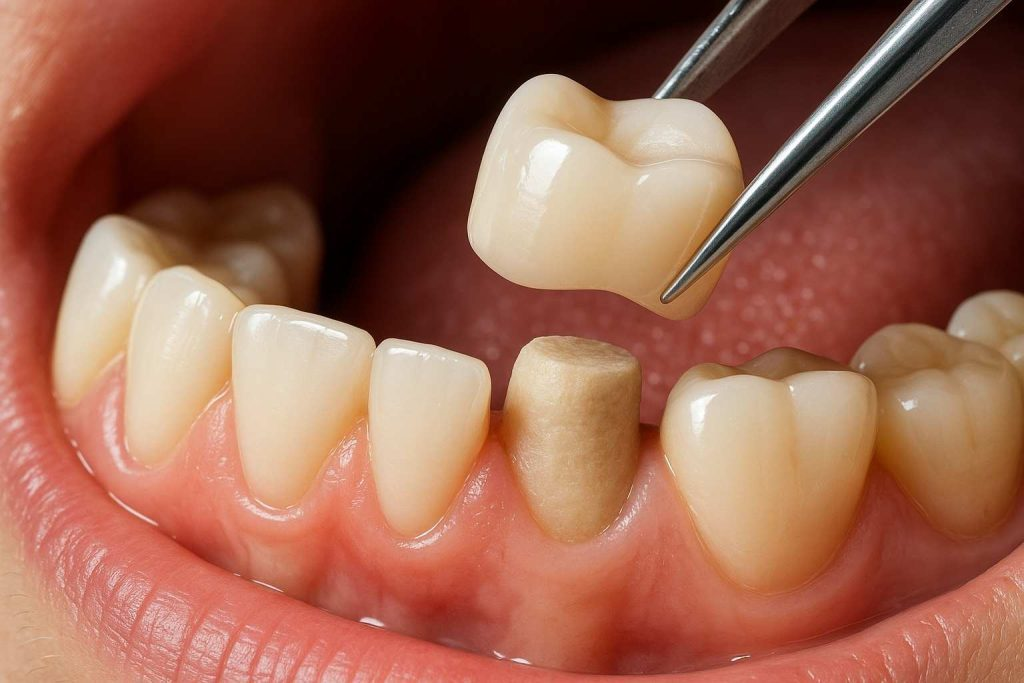
Until you can see your dentist, avoid chewing on the affected side and keep the area clean. If the crown has completely fallen out, save it and bring it with you to your appointment. Do not attempt to permanently attach it with super glue or another household adhesive.
The key is not to panic, but also not to wait for the problem to resolve on its own. A loose crown can sometimes be re-cemented, but your dentist needs to examine both the crown and the underlying tooth first. Getting the problem evaluated early can help preserve the tooth and prevent a small restorative issue from developing into a more complex dental problem.
When a dental crown becomes loose, it can be tempting to fix it yourself, especially if it is still partially attached or you are unable to see your dentist right away. However, a temporary problem can become much more complicated if the crown or the underlying tooth is damaged. Until you receive professional dental care, avoid the following:
Ultimately, the safest approach is simple: protect the affected tooth, save the crown if it has come off, and let a dental professional determine the next step. Even when a loose crown is not painful, prompt evaluation can help identify the underlying cause and prevent a minor restoration problem from turning into a more serious dental issue.
A dental crown can come loose for several reasons, and identifying the underlying cause is important before deciding how to fix it. Sometimes the issue is relatively minor, such as weakened dental cement. In other cases, a loose crown can be a sign that the tooth underneath has developed decay, a crack, or another problem that needs treatment. Common causes include:
A loose crown is therefore more than a cosmetic inconvenience. The crown may be the first visible sign of a problem underneath the restoration. Rather than simply trying to secure it back in place, a dentist should examine the crown, tooth, gums, and bite to determine why it became loose. Finding and addressing the cause is the best way to restore stability and reduce the chance of the problem happening again.
When you visit the dentist with a loose crown, the goal is not simply to put it back in place. Your dentist first needs to determine why the crown became loose and whether the tooth underneath is still healthy enough to support it. Depending on what they find, treatment may be as simple as re-cementing the crown or may require additional restorative care.
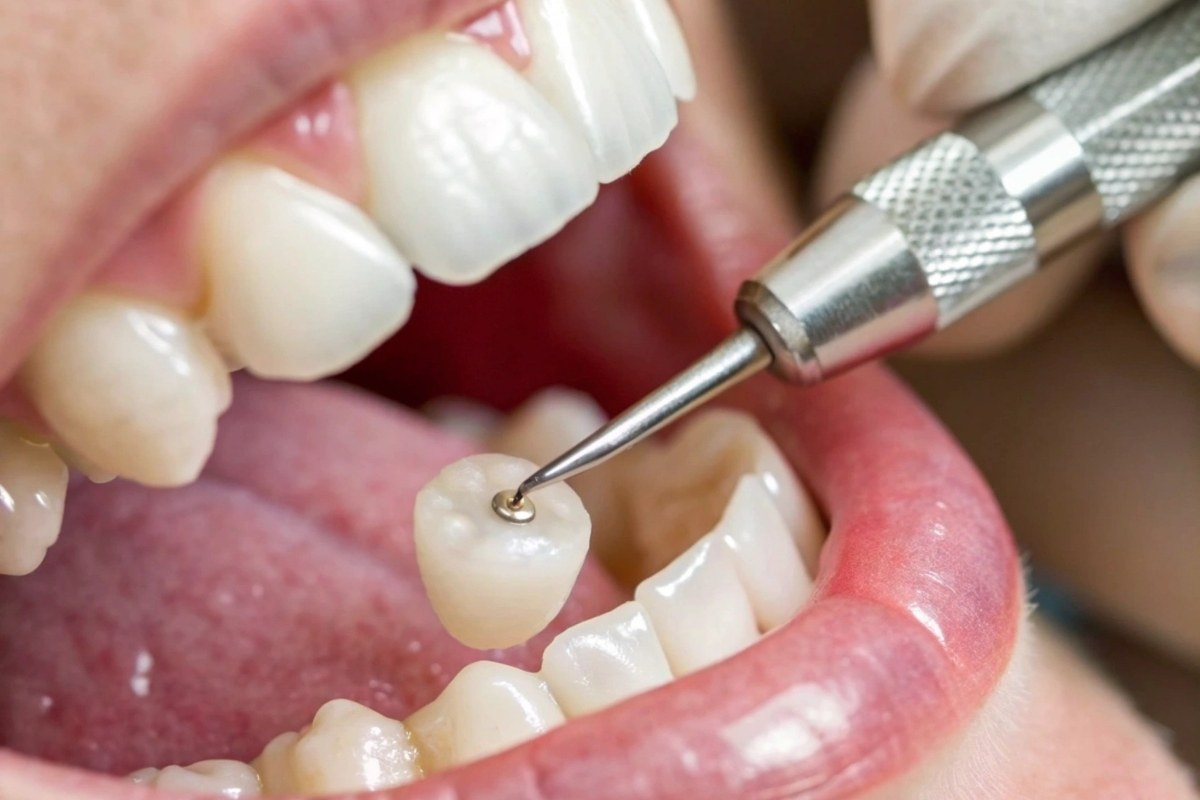
Your dentist will examine both the crown and the tooth supporting it. They may check for signs of decay, cracks, fractures, gum problems, or damage to the restoration. If the crown has fallen out, bringing it to your appointment can help the dentist determine whether it remains suitable for reuse.
In some cases, dental X-rays may also be recommended to evaluate areas that cannot be seen during a visual examination, particularly if there is pain or concern about the tooth underneath.
Once the crown and tooth have been evaluated, your dentist will determine what caused the crown to loosen. If the dental cement has simply weakened and the tooth remains healthy, the solution may be relatively straightforward. However, decay, a fractured tooth, a damaged crown, or excessive biting forces may require a different approach.
Identifying the cause is important because simply re-cementing a crown without addressing an underlying problem may not provide a lasting solution.
The appropriate treatment depends on the condition of both the crown and the tooth. Possible options may include:
Before completing the treatment, your dentist will make sure the crown fits securely and that your bite feels comfortable and balanced. Proper fit is essential for protecting the tooth and allowing the restoration to function normally when you chew.
Ultimately, getting a loose crown evaluated promptly gives your dentist the best opportunity to preserve the existing restoration and underlying tooth. The sooner the cause is identified, the sooner you can get back to a stable, comfortable, and functional smile.
When a dental crown becomes loose or falls out, you need more than a quick temporary fix. You need a dentist who can determine what caused the problem, evaluate the condition of the underlying tooth, and recommend the most appropriate solution for protecting your smile. At Marvel Dental, patients receive personalized restorative care designed around the health, function, and appearance of their teeth.
Led by Dr. Anna Gazu, DMD, Marvel Dental provides comprehensive dental care with a focus on comfortable, patient-centered treatment. Whether your crown has become loose because of weakened cement, damage, decay, or another underlying concern, the team takes the time to evaluate the situation before recommending treatment. This approach helps ensure that the source of the problem is addressed rather than simply treating the symptom.
Marvel Dental also provides professional dental crown treatment using modern techniques and materials, including porcelain and zirconia options. When an existing crown cannot be saved, your dentist can determine whether a replacement restoration is appropriate based on the condition of your tooth, your bite, and your individual needs. The goal is to create a restoration that looks natural while providing the strength and stability needed for everyday function.
For patients dealing with a crown that has suddenly come loose or fallen out, timely care can make a meaningful difference. Marvel Dental also offers emergency dental care for urgent situations, helping patients receive professional evaluation when unexpected dental problems arise. If you are experiencing severe pain, swelling, significant damage, or another concerning symptom along with a loose crown, seeking prompt dental attention is especially important.
Most importantly, you do not have to determine the cause of a loose crown on your own. Marvel Dental can assess the crown and the tooth underneath, explain your treatment options clearly, and help you move forward with a solution that protects your oral health. If your crown has recently become loose or fallen out, contact Marvel Dental in Clifton, NJ to schedule an evaluation and get your smile back on track.
Conclusion
A loose or fallen dental crown can be unsettling, but it does not always mean that your tooth or restoration is beyond repair. The most important steps are to avoid chewing on the affected side, keep the area clean, save the crown if it has come out, and never use household glue to put it back. Most importantly, have your dentist evaluate the crown and underlying tooth promptly to identify the cause and prevent further damage.
At Marvel Dental, Dr. Anna Gazu, DMD, and the dental team are committed to providing personalized care for damaged or loose crowns, from evaluating the underlying tooth to finding the right restorative solution. If your crown just came loose, don't wait for the problem to get worse. Schedule an appointment with Marvel Dental and take the first step toward a healthy, secure smile.
Experience dental care that puts your comfort, confidence, and health first. We're here to make dental visits feel like your home away from home.
The team at Marvel Dental is ready to assist with your questions, coordinate your appointment, and guide you through a comfortable, well-organized visit from start to finish.